In the laboratory, MAGUS microscopes are employed to study microalgae and cyanobacteria. The research focuses on assessing the sequestration potential of microorganisms, their ability to absorb carbon dioxide, restore soils and water bodies, and adapt to climate change.
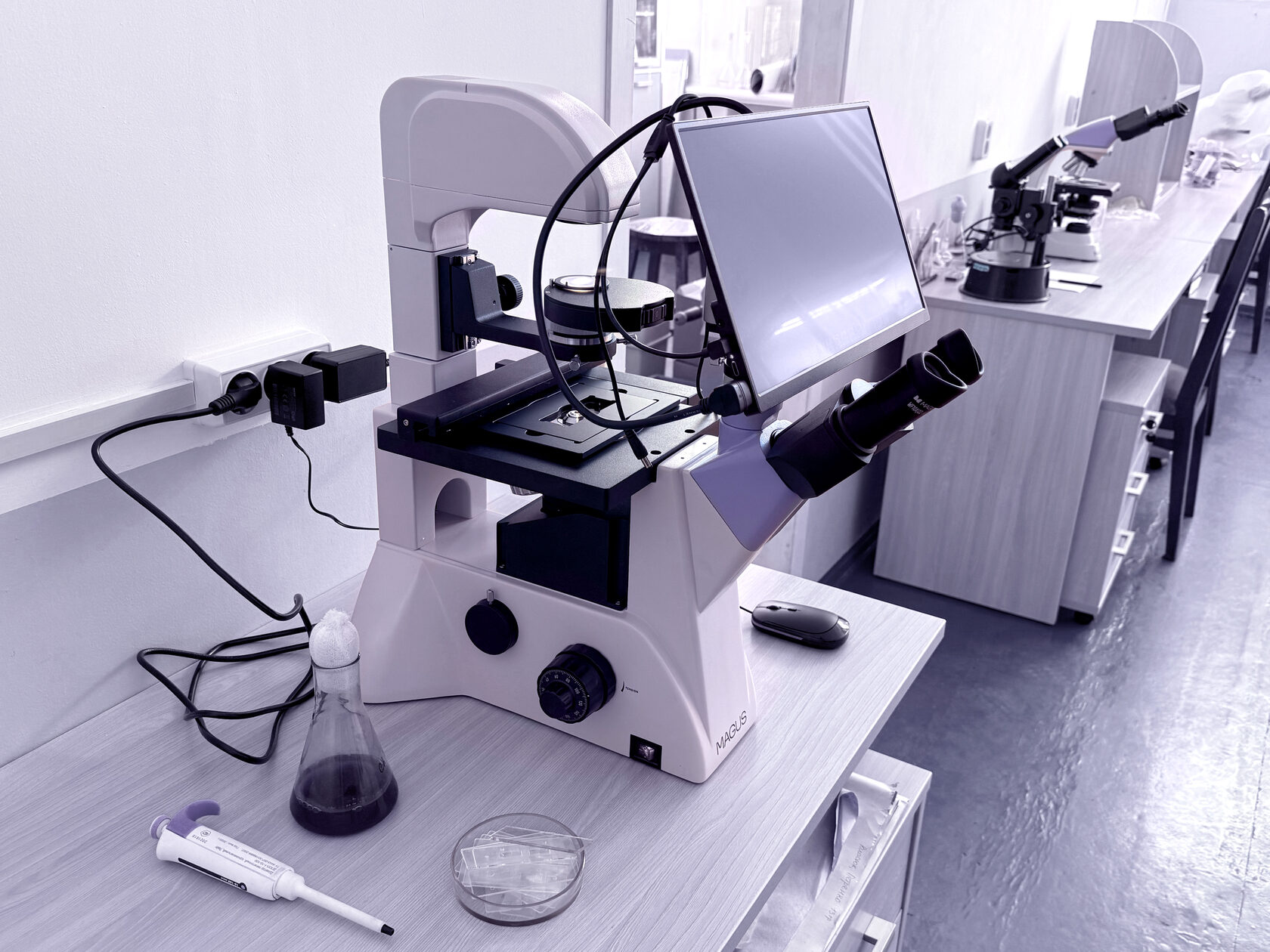
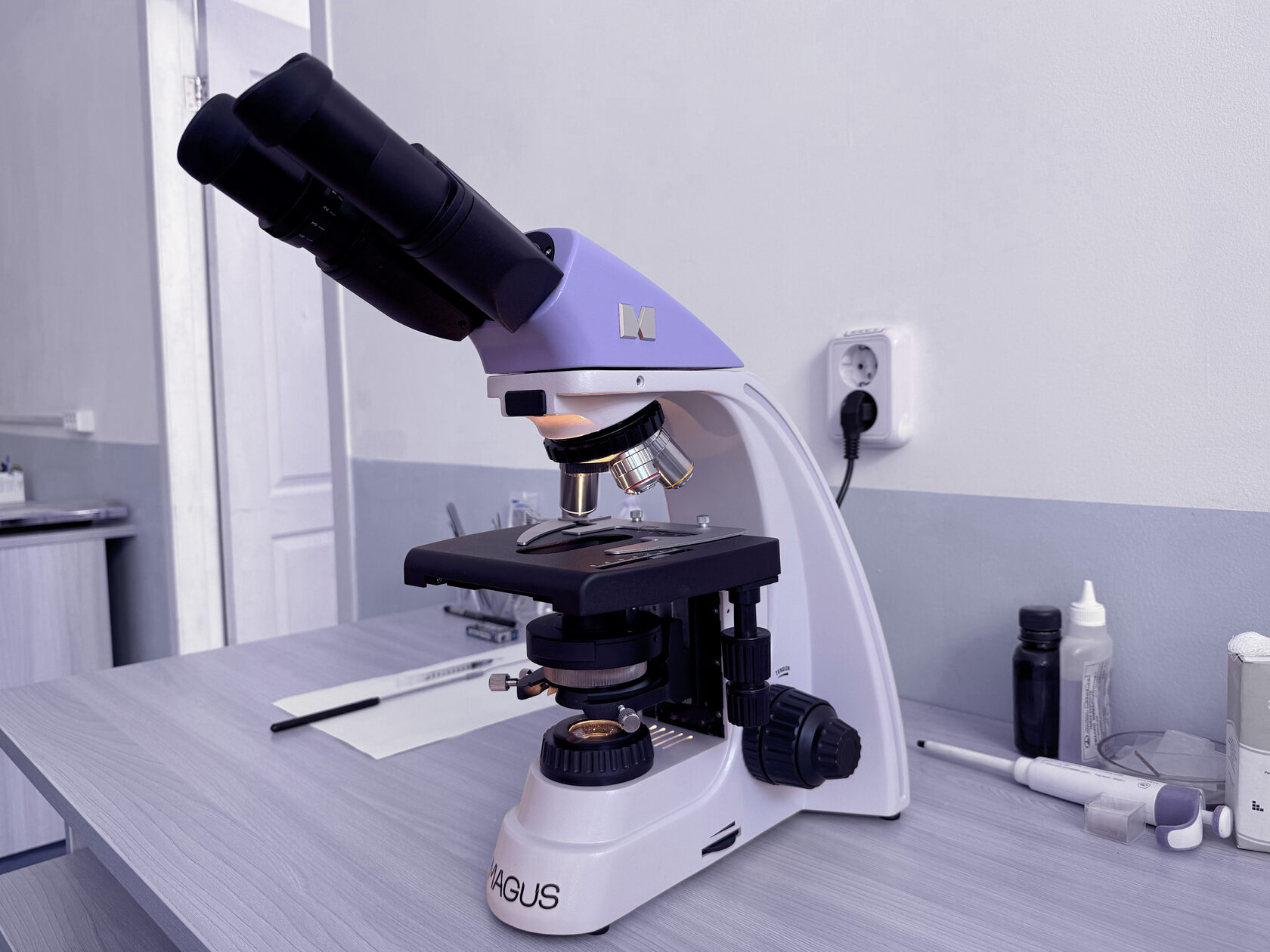
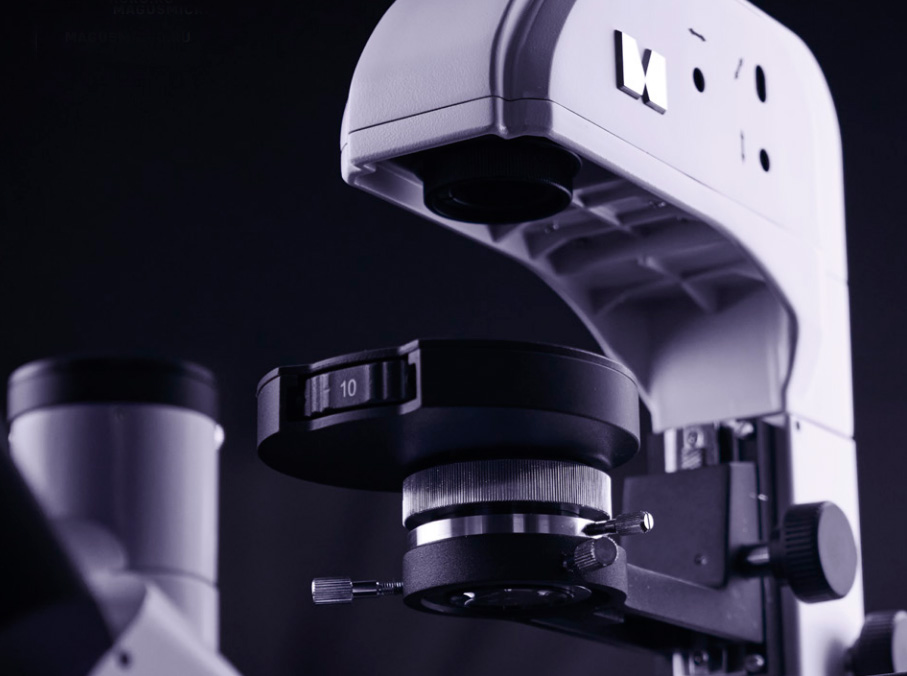
For analyzing cell morphology and intracellular lipid inclusions, the upright MAGUS Bio 250B is used. It provides stable focusing and high clarity of microstructures. Quantitative analysis of cell cultures is performed using the MAGUS Bio VD350 LCD digital inverted microscope, which allows for observing samples directly in Petri dishes. When combined with MAGUS software, precise automatic cell counting and accelerated routine laboratory tasks are ensured.
We would like to thank the research team for their feedback. We are pleased to support studies that are aimed at addressing the pressing environmental and biotechnological challenges.
For analyzing cell morphology and intracellular lipid inclusions, the upright MAGUS Bio 250B is used. It provides stable focusing and high clarity of microstructures. Quantitative analysis of cell cultures is performed using the MAGUS Bio VD350 LCD digital inverted microscope, which allows for observing samples directly in Petri dishes. When combined with MAGUS software, precise automatic cell counting and accelerated routine laboratory tasks are ensured.
We would like to thank the research team for their feedback. We are pleased to support studies that are aimed at addressing the pressing environmental and biotechnological challenges.